The Great GTA Reset: Navigating the Real Estate Correction of 2026
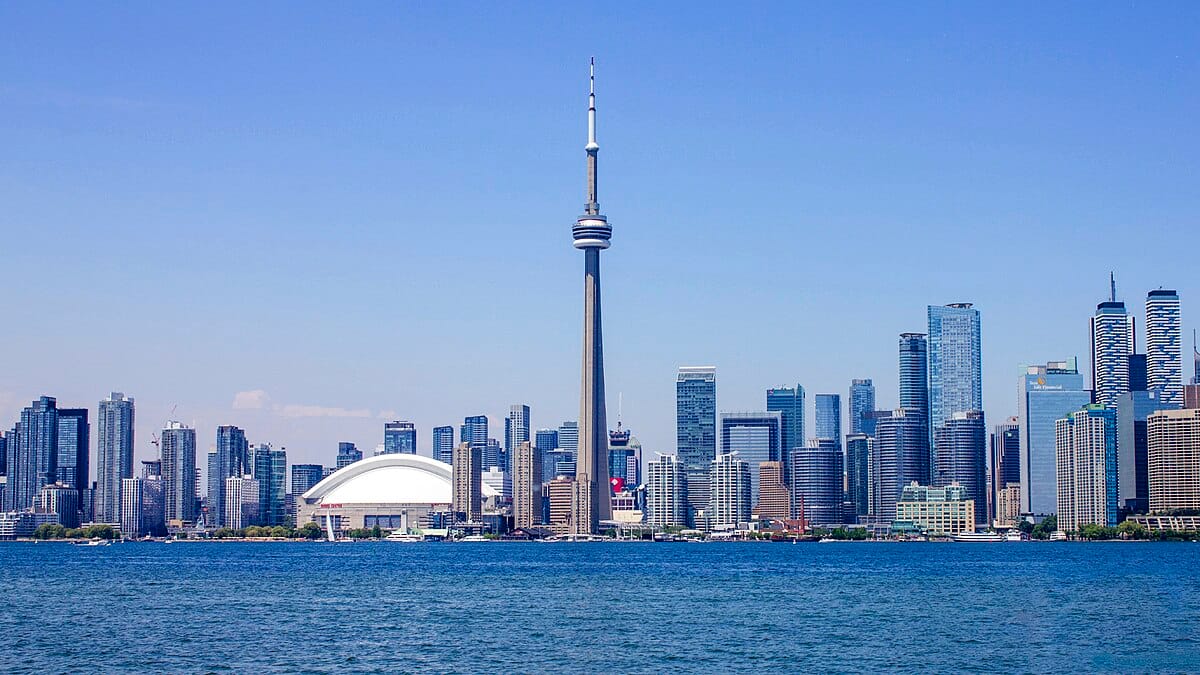
The Great GTA Reset: Navigating the Real Estate Correction of 2026
As January 2026 comes to a close, the Greater Toronto Area (GTA) housing market is sending clear, if somewhat chilling, signals to investors and homeowners alike. Following a tumultuous 2025, the start of this year has confirmed a definitive shift in market dynamics. The benchmark home price has dipped to ,100—an 8% decrease from the same period last year—marking the lowest levels since the post-pandemic correction began in earnest.
This article explores the confluence of factors driving this reset, from the Bank of Canada’s shifting sentiment to the unprecedented wave of condo cancellations that are reshaping the city’s skyline and its future supply.
A Granular Look at the Pricing Data
The decline is not uniform across all housing types. Detached homes, once the invincible darling of the market, have seen their average price soften to ,277,915. While still out of reach for many, this represents a significant cooling from the peaks of previous years. Meanwhile, the condominium sector is facing a more severe reckoning. With average prices hovering around ,759, the condo market is grappling with a supply overhang and a buyer pool that remains cautious despite recent interest rate relief.
| Housing Category | Average Price (Jan 2026) | Year-over-Year Change |
|---|---|---|
| Benchmark (Overall) | ,100 | -8.0% |
| Detached Homes | ,277,915 | -7.4% |
| Condominiums | ,759 | -9.8% |
The Condo Conundrum: Cancellations and Completions
Perhaps the most significant development in early 2026 is the staggering number of high-impact condo cancellations. According to recent data from Urbanation, 28 active projects totaling 7,243 units were cancelled in the last reporting period. This is more than double the volume seen in 2024.
Developers are citing a 'perfect storm' of high construction costs, soft demand in the investor-heavy pre-construction market, and the difficulty of securing financing in a high-risk environment. While this reduction in supply might theoretically support prices in the long term, the immediate impact is a visible stagnation in development. Conversely, completions for 2026 are projected to hit approximately 22,066 units—mostly projects that were started during the 2021-2022 frenzy. This influx of 'legacy' supply is meeting a market that is currently unable to absorb it at previous price points.
Bank of Canada: Sentiment vs. Reality
The Bank of Canada (BoC) has moved into a more dovish stance as of early 2026. With inflation showing signs of stability near the 2% target, the central bank’s sentiment has pivoted toward supporting economic growth and improving housing affordability. While rate cuts have begun to filter through to mortgage products, the psychological 'scarring' from the rapid hike cycle of 2022-2023 remains. Buyers are no longer rushing to the market at the first sign of a rate drop; instead, they are waiting for evidence of a price floor.
Conclusion: The Path Forward
The GTA real estate market in 2026 is a study in adjustment. The correction in prices, combined with the spike in project cancellations, suggests a market that is finally purging the excesses of the past few years. For prospective buyers, the current landscape offers the best leverage they have had in over half a decade. For the city, the challenge will be managing the impending supply gap that today’s cancellations will create by 2029 and 2030. As we move further into 2026, all eyes will be on whether the BoC can orchestrate a soft landing that encourages sustainable growth without reigniting the speculative fires of the past.